

What are your thoughts on the concept of living a very long life?
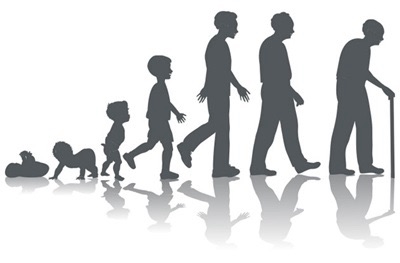
The Importance of Quality Over Quantity in Life
When I was younger, I always assumed I’d want to live into my 90s. It seemed like the natural course of life—getting older, but still enjoying the things I loved. But as I’ve grown, and as I’ve watched my parents and relatives age, my perspective has changed. I’ve learned that it’s not just about how many years you live; it’s about how you live those years.
I grew up surrounded by older family members, so I always felt a strong connection to people in their later years. But it wasn’t until after my mother passed away in 1999, and my father began to need more help, that I truly understood the challenges of aging. My dad, who had always been so independent, started to slow down. He became forgetful, his hearing began to fade, and his daily routines grew harder.
Eventually, my girls and I made the decision to have him live with us so we could care for him more closely. His needs became more complex. The simple things he used to do without a second thought—like showering or getting out of a chair—became difficult. I adjusted how I cooked for him, using softer foods and being mindful of the seasonings. His dentures were loose, and chewing became a struggle.
As time passed, the changes in my dad’s health were harder to ignore. He no longer wanted to go out, he napped more, and his mobility was limited. He struggled with pain, and even simple tasks like using the bathroom became more challenging. But through it all, he maintained a certain level of pride. He fought to keep as much independence as possible—getting dressed every day, sitting in his recliner to watch cowboy shows, and still enjoying his three meals a day.
Even though his body was failing him, his appetite never did. I would make him his favorite meals and, every morning, I’d fix him Cowboy Coffee (Folgers with Vanilla Creamer)—a ritual that helped keep a sense of normalcy. When he passed away in 2016 at the age of 93, it made me stop and reflect on my own life and how long I wanted to live.
My dad’s passing, along with my experiences in eldercare, led me to a new realization: quality of life is far more important than the number of years you get. Watching my dad’s decline, I began to question whether I’d want to live that long if it meant losing my independence, facing constant pain, and struggling to do the things that once brought me joy.
I’ve decided that I don’t want to live past the point where life becomes a constant struggle. I don’t want to put my family through the hardship of seeing me in pain or dependent on others if I can avoid it. I want to maintain my dignity and my sense of self as long as possible. For me, that’s what’s important now: living my best life, in a way that feels fulfilling, peaceful, and healthy.
So, here I am in my 60s, thinking about the future. I don’t know exactly when my own turning point will come—that point where my body or mind may no longer work the way I want them to. Only God knows. But what I can do now is take control of my health, my wellness, and my happiness. I’m educating myself on how to maintain my quality of life, so I can continue to enjoy the things that matter most to me, for as long as possible.
For anyone in their 60s or beyond, or even those who are caring for older loved ones, I hope my story resonates. It’s easy to get caught up in the idea of living a long life, but let’s not forget that living well is just as important. The goal isn’t just to add years to our lives, but to add life to our years.
So, what does your best life look like? How can you prioritize your health, happiness, and peace in the years ahead? I think it’s time we all start asking ourselves these questions.
LadyFlava of LadyFlavaNews
Sharing My Thoughts
Blog Challenge
 Lady Flava News