


💊 When the Corner Pharmacy Disappears: A Quiet Crisis in Healthcare Access
Health & Wellness with Flava
When I moved into my neighborhood, my Rite Aid was less than five minutes away — convenient, familiar, part of my routine. Now it’s closed, my prescriptions moved four miles away to CVS. Walgreens down the street? Gone. Even the hospital pharmacy where I work shut its doors.
At first glance, it might seem like just another corporate shuffle. But when pharmacies close, access to care gets harder — especially for seniors, disabled folks, and working families without easy transportation.
Pharmacy closures aren’t random. Behind them are financial pressures from pharmacy benefit managers (PBMs) cutting reimbursement rates, massive opioid lawsuit settlements, and debt that chains like Rite Aid are drowning in. Add in competition from online pharmacies, mail-order prescriptions, and retail giants like Walmart and Costco — and those local stores we relied on simply can’t keep up.
But what gets lost in all the data is the human side.
Pharmacists who know your name are burned out or out of work. Neighborhoods lose a trusted stop for medications and advice. And patients — like me — are now driving farther, waiting longer, and hoping prescriptions transfer correctly.
This isn’t just about convenience. It’s about continuity of care.
In the middle of it all, I can’t help but think about how healthcare access keeps moving farther away from the people who need it most. We’re told everything’s more “efficient” online, but sometimes efficiency leaves the heart behind.
Maybe it’s time to reimagine what accessible, community-based care really looks like — one that values connection, not just convenience.
💡 What You Can Do When Pharmacies Close
If your neighborhood pharmacy has closed — like mine did — you might be wondering what options you have.
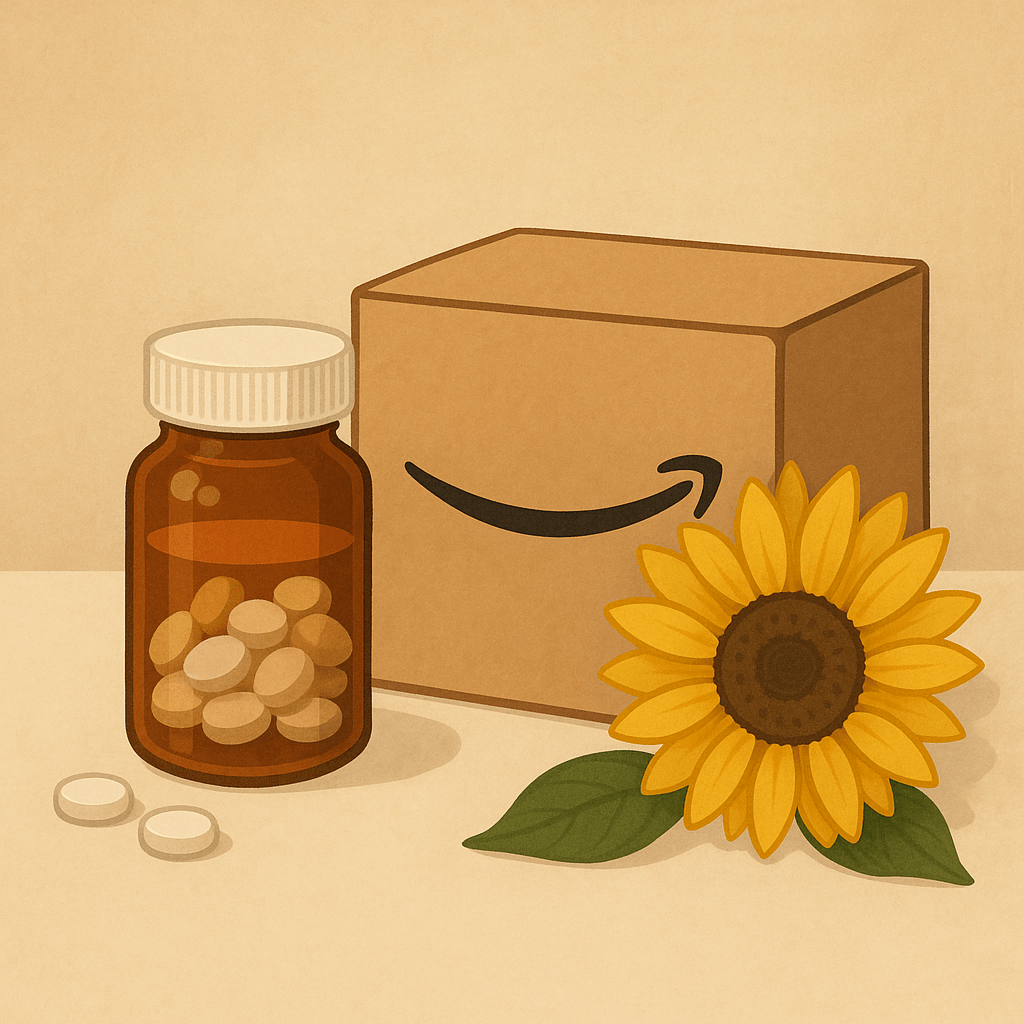
One growing alternative is Amazon Pharmacy, which lets you manage prescriptions online and have medications delivered right to your door.
Here’s a simple breakdown of how it works and what to know before you switch:
How It Works
Your doctor can send prescriptions directly to Amazon Pharmacy, or you can request a transfer.
They accept most insurance plans, and you can compare your copay or cash price before ordering.
Prescriptions are shipped securely in discreet packaging, and refills can be set to automatic.
Amazon also owns PillPack, which sorts multiple meds into easy, date-labeled packets — helpful for those taking several prescriptions daily.
Why It Might Help
🕒 Convenience: Home delivery eliminates long drives or waits. 💰
Possible savings: Transparent pricing shows what you pay with or without insurance.
❤️ Consistency: Keeps you from bouncing between different pharmacies when local ones close. 👩🏽⚕️
24/7 access: You can message or call a pharmacist anytime for questions.
What to Watch For
🚚 Delivery delays: If you need something immediately, in-person pickup might still be better. 📋
Insurance details: Always confirm your specific plan’s coverage and copays first.
💊 Controlled meds:
Some prescriptions (especially pain medications) may have limits or require local pickup.
🤝 Transition timing: Give yourself overlap time when switching to avoid missing doses.
Flava’s Take:
For someone like me — juggling work, health, and the reality of fewer nearby pharmacies — Amazon Pharmacy could be a helpful solution. I’d suggest testing it with one prescription first to see how it feels before fully switching over.
Because in the end, health access should be simple, safe, and dependable — whether that’s across the counter or delivered right to your door. 🌻

 Lady Flava News