

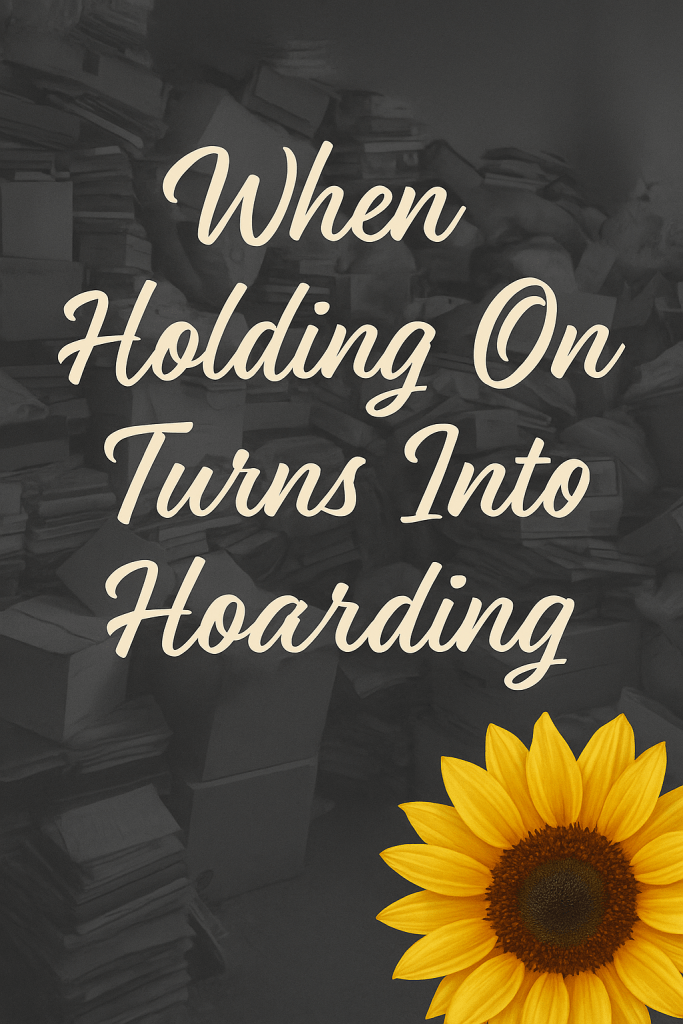
🧠 When Holding On Turns Into Hoarding
Simply Flava by Lady Flava | Deep Topic Series
We all hold onto things — memories, mementos, the “just-in-case” items that feel like a part of our story. But sometimes, the line between holding on and hoarding blurs.
Tonight, I was watching a show where police officers were trying to rescue an elderly couple trapped in a burning home — a home filled floor to ceiling with boxes, clothes, and forgotten things.
It wasn’t just fire they were fighting — it was years of emotional weight stacked into every corner.
💔 Why People Hoard
Hoarding isn’t about laziness or being messy — it’s rooted in emotion.
For many, it’s about loss, fear, and control.
Loss: After a death or trauma, people may cling to physical items because letting go feels like erasing a piece of the person or moment they lost.
Fear: “What if I need this later?” becomes a survival instinct. Control: When life feels unstable, keeping things feels like having power in a small way.
Comfort: Some people find peace in being surrounded by their things — it becomes a shield from loneliness or anxiety.
It’s a coping mechanism gone too far — an emotional wound showing itself through stuff.
🔥 When Clutter Turns Dangerous
What starts as emotional comfort can turn deadly.
Fire hazards: Stacks of paper, clothing, and boxes become instant fuel in a fire.
Blocked exits: Pathways get too narrow or sealed off entirely, trapping people inside.
Health risks: Mold, dust, rodents, and poor ventilation create breathing problems and infections.
Falls and injuries: Piles topple, boxes collapse, and mobility becomes impossible for elders.
That elderly couple in the fire — they didn’t just live with clutter, they lived inside a maze of memories. And in that maze, safety disappeared.
💡 Finding Compassion and Help
It’s easy to judge. But healing starts with understanding.
If you know someone struggling with hoarding, the answer isn’t throwing everything away — it’s patience, empathy, and gentle structure.
Professional help from mental health counselors, social workers, or community clean-out programs can make a huge difference. Some fire departments even work with local agencies to help clean and educate before tragedy hits.
🌻 My Reflection
Watching that rescue reminded me — sometimes the heaviest things we carry aren’t visible.
We can’t save what people won’t release, but we can show care before crisis comes.
Maybe it starts with a conversation. Maybe it starts with noticing.
Because every item has a story — but people are worth more than their things.

 Lady Flava News