

Monday Real Talk: Honesty Isn’t Soft — It’s Heavy
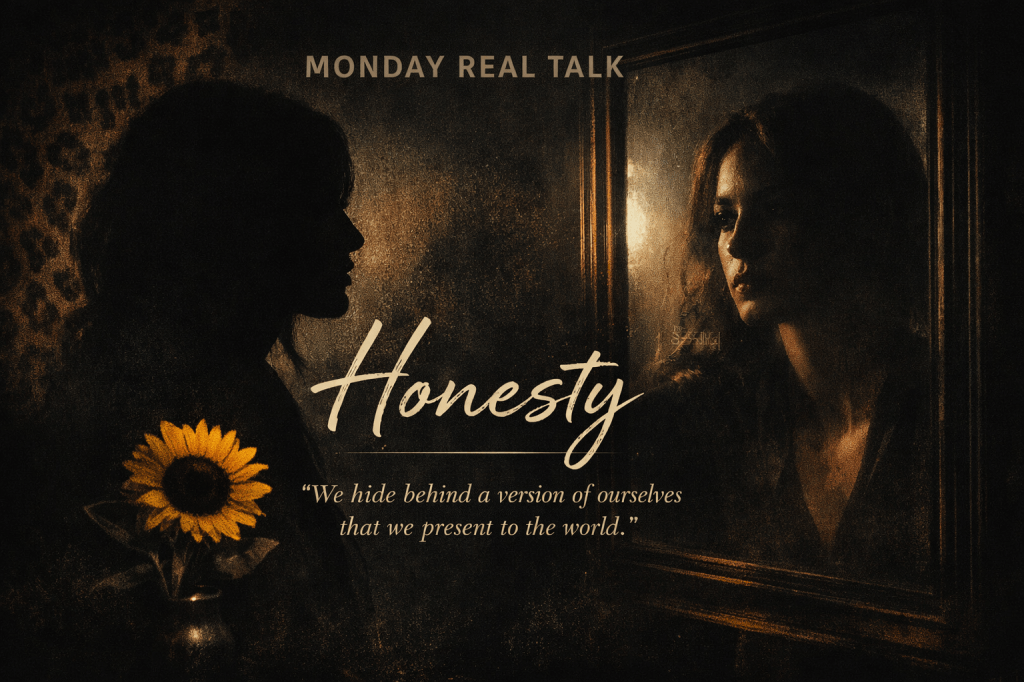
Last night, I was watching a series on Netflix — His & Hers — and one line stopped me in my tracks:
“We hide behind a version of ourselves that we present to the world.”
Whew.
That one sat with me.
Because if we’re going to be honest — really honest — most of us aren’t lying to the world first.
We’re lying to ourselves.
We curate versions of who we are that feel safer. Less messy. More acceptable. We sand down the edges. We tell half-truths. We stay quiet when speaking up might cost us comfort, approval, or peace in the moment.
And then we wonder why things feel off.
Why honesty is so damn hard
Honesty isn’t difficult because we don’t know the truth.
It’s difficult because the truth usually asks something of us.
It asks us to:
Risk rejection
Face conflict
Admit where we’ve compromised
Acknowledge the parts of ourselves we’d rather keep hidden
Fear plays a big role. So does self-protection. We convince ourselves that lies keep us safe — but all they really do is build fragile realities that eventually crack.
Then there’s desire.
Wanting more.
Wanting ease.
Wanting status, validation, or relief from pain.
When desire gets louder than values, integrity is often the first thing to go.
And let’s talk about that quiet struggle many people don’t name:
When your actions don’t line up with your beliefs, your mind will bend reality to avoid the discomfort. That’s self-deception doing push-ups.
The deeper work: being honest with yourself
This is where it gets real.
It’s one thing to lie outwardly.
It’s another to maintain a comforting story about who you are, what you tolerate, or what you deserve — even when life keeps tapping you on the shoulder saying, that’s not true anymore.
Ignoring your flaws doesn’t protect you.
It keeps you stuck.
Telling yourself “I’m fine” when you’re not.
Pretending you’re okay with things that quietly drain you.
Believing you “can’t handle the truth” when, in reality, avoiding it is costing you more.
Why honesty is still worth it
Here’s the part people don’t like to admit:
Truth hurts — but lies exhaust.
Honesty:
Builds real trust (with others and yourself)
Creates room for growth
Leads to authenticity instead of performance
Frees up mental space you didn’t realize you were wasting
There’s a quiet freedom in not having to remember which version of yourself you presented where.
How to approach honesty without becoming cruel
Honesty doesn’t mean brutality.
It means:
Paying attention
Speaking truth with compassion
Starting with small truths
Choosing short-term discomfort over long-term damage
The pain of truth passes.
The damage of lies compounds.
Real Talk takeaway:
Honesty isn’t about being perfect or righteous.
It’s about being real enough to live a life that isn’t built on shaky ground.
And sometimes the bravest thing you can say isn’t to someone else —
it’s to yourself, quietly, without an audience:
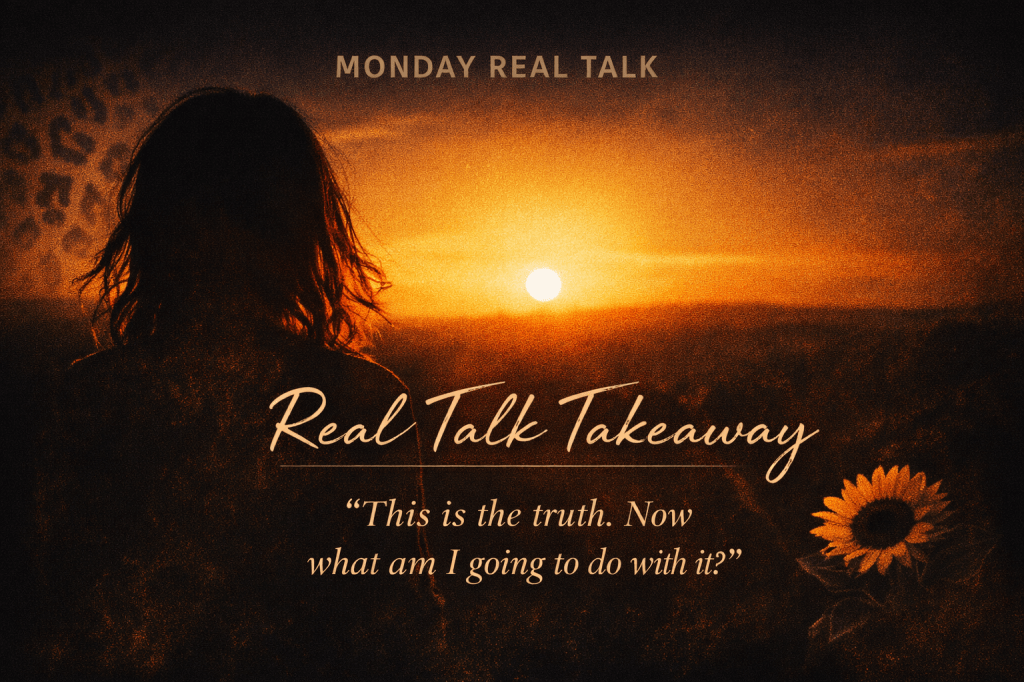
This is the truth. Now what am I going to do with it?
 Lady Flava News