

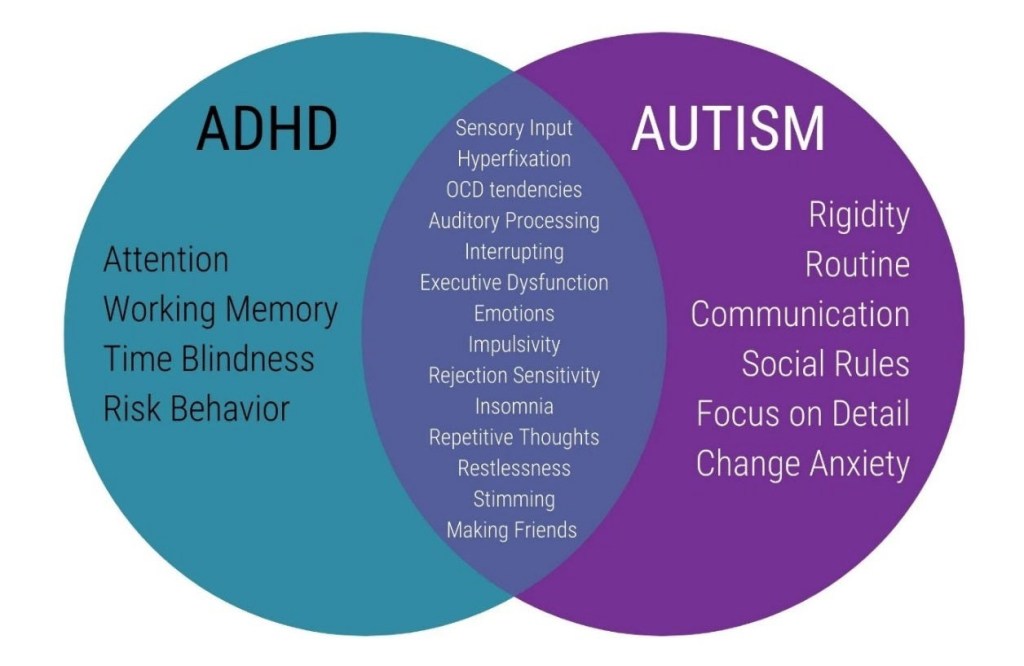
“Learning to Lead with Compassion: Navigating Life’s Challenges with Neurodivergence”
There are moments in life where I find myself feeling stuck—unsure if I’m being too soft, too direct, too patient, or not enough of any of it.
I work with, worked for as Lady Flava, dated a man and experience in my own family persons with ADHD, along with some suspicions they may be on the autism spectrum as well. While I’m not here to diagnose or label, I am here to share what this experience has felt like from my side—a human side, filled with compassion, effort, and sometimes, frustration.
🧩 Trying to Understand
When you give directions—clearly, kindly, and repeatedly—but they’re not followed through, it can feel like you’re being ignored. Like your time and energy are being taken for granted. I’ve found myself asking:
- “Did they not hear me?”
- “Was I unclear?”
- “Are they choosing not to do it?”
But then I take a breath and remember—what looks like resistance or disregard may actually be a sign of struggle. A brain that’s wired differently. A person doing their best in a world that wasn’t designed for how they function.
🧠 What I’ve Learned So Far
I’ve started reading, observing, and gently asking questions. Here’s what I’m coming to understand:
- Some people need visual cues instead of verbal reminders.
- Tasks that seem simple to one brain can feel like climbing a mountain to another.
- Silence or lack of eye contact isn’t always rudeness—it can be processing or overload.
- Being neurodivergent doesn’t mean incapable—it just means different wiring, different timing.
And maybe… I need to rewire my approach, too.
🤝 The Balancing Act
This doesn’t mean the work doesn’t need to get done. It does.
This doesn’t mean I never get frustrated. I do.
But it means I’m learning that leading—or even just coexisting—with someone who thinks and works differently requires a different kind of patience, and a deeper level of listening.
Not just listening to words, but to behaviors. To rhythms. To patterns. To unspoken needs.
❤️ Still Growing
I’m still learning. Still figuring out how to hold others accountable while also being respectful of how their brain works.
I’m giving myself grace as I navigate this journey—because I don’t want to lead with irritation or judgment. I want to lead with understanding, and maybe even be the kind of person who helps someone else feel seen at work.
I know I’ll make mistakes along the way—but I’ll keep trying. Because I believe we all deserve a chance to be understood, supported, and valued.
Closing Thought:
If you’ve ever worked with someone who seems “different,” don’t jump to conclusions. Instead, pause and ask: What might I not be seeing?
We all process the world differently. And sometimes, the real work is learning how to meet in the middle.

When You Have Someone In Your Life Who Has ADHD (and Possibly Autism)
ADHD and Autism both affect how a person processes information, follows directions, and responds to social cues—sometimes in ways that feel inattentive or resistant, but aren’t meant to be disrespectful.
🚦Here’s what might be happening:
1. Executive Dysfunction
- He may hear you but be unable to initiate the task.
- With ADHD, the brain often struggles with translating a task from thought to action—especially if it’s boring, complex, or interrupted by distractions.
2. Auditory Processing Delay
- If he’s also on the autism spectrum, he may have trouble processing spoken directions in real time.
- He might need time to decode what you said, even if he’s looking at you.
3. Task Paralysis or Overwhelm
- Some neurodivergent people shut down when too much is asked, when they don’t understand why a task matters, or if they feel under pressure.
4. Masking Fatigue
- If he’s masking (especially if autistic), he may be using all his energy just to “act normal” in a work environment. That can make task follow-through inconsistent.
✅ What You Can Try Practically
Here are some supportive strategies that might help improve your interactions without enabling avoidance:
🗂️ Use Written Instructions
- Write out tasks on a checklist or whiteboard he can refer to.
- Some ADHD/autistic people do better with visual reminders over verbal repetition.
🔄 Break It Down
- Instead of “Make sure this whole area is cleaned up,” try:
- “Step 1: Put dishes in sink.”
- “Step 2: Wipe counters.”
- “Step 3: Take out trash.”
⏰ Use Clear Deadlines
- Instead of “Can you do this today?” say:
- “Please finish this by 2 PM. Let me know if you get stuck.”
🧭 Check for Understanding
- Ask him to repeat back what he’s supposed to do.
You could say:
“Just so we’re on the same page, can you tell me what you’re about to do next?”
💬 Ask What Works for Him
- If the relationship allows, consider asking:
- “I notice I need to repeat things a lot. Is there a better way I can support you to stay on track?”
🙏 Human Note:
It’s easy to feel disrespected when someone stares blankly or doesn’t follow through. But when neurological differences are at play, it’s often not about willful disobedience—it’s a difference in how the brain works.
That said, respect and responsibility still matter. Being neurodivergent isn’t an excuse to ignore direction or accountability—but understanding why the breakdowns happen can help you navigate them more effectively.
When Brains Work Differently: My Honest Struggle and Willingness to Learn
Today was a hard day.
So, I honored myself and stopped for the day, giving myself much needed grace.
It is not easy understanding how to best communicate with someone who is neurodivergent. But I am still interested and willing to learn more. I want to become a more effective communicator for all people, especially those I care about.
Understanding Doesn’t Come Instantly
When I’ve realize that a person may be on the Autism Spectrum or has ADHD—That gave me pause. I began to reflect on how much I don’t know about how neurodivergent minds operate.
Repeating tasks. Not following through. Seeming to ignore instructions.
These behaviors can look disrespectful or lazy. But what if they’re not?
What if it’s:
- A brain overwhelmed by too many steps?
- A need for visual or written reminders?
- Executive function challenges that make starting tasks difficult?
- A different way of processing language or tone?
I’m learning that sometimes what feels like resistance… is actually a form of internal chaos I can’t see.
I Want to Be Better
I’ve worked hard in life to be kind, to be thoughtful. But being kind doesn’t mean I always get it right. Being human means I can get frustrated—and today, I did. But walking away also gave me space. Space to breathe, to reflect, and to reset my approach.
I still want to be supportive. I still want to find ways to interact with people whose minds move in ways mine doesn’t. That’s not always easy. But I believe it’s worth the effort.
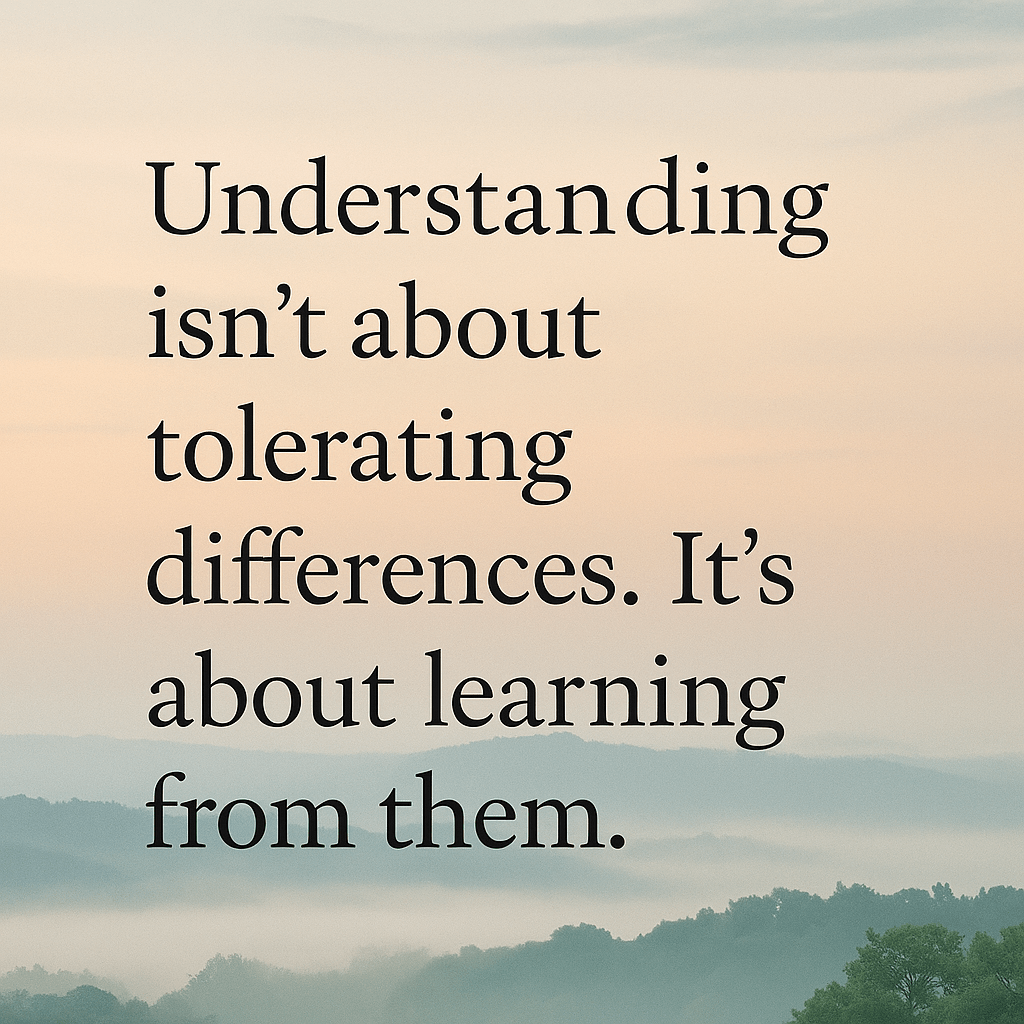
Because understanding isn’t about tolerating differences—it’s about learning from them.
I’m Committed to the Learning Curve
If you’re someone trying to navigate a similar challenge—whether at work, at home, or in community—I see you. It’s okay to not know. It’s okay to feel frustrated. What matters is what we do next.
I’m choosing to stay curious. I’m choosing grace. I’m choosing to try again tomorrow.
💬 Let’s Talk About It
Have you had a similar experience?
Do you work with, live with, or care about someone whose brain functions differently from yours?
I’d love to hear your thoughts, lessons, or even advice.
Your voice matters—let’s support one another in learning and growing.
Please feel free to share in the comments or reach out privately if that feels safer.

Can you tell that I need to process this. 🤔
LadyFlava of LadyFlavaNews
Sharing a Challenging Day

 Lady Flava News
2 responses to “60+| Autism vs ADHD (I Need Help)”
To effectively support someone with ADHD in learning a job, focus on clear communication, structured routines, and creating a supportive environment. Break down tasks, provide visual aids, and encourage open communication about challenges.
Key Strategies for Supporting Learning:
By implementing these strategies, you can create a supportive learning environment that empowers individuals with ADHD to thrive in their new job.
LikeLike
The “1-3-5” rule is a time management strategy often used by individuals with Attention-Deficit/Hyperactivity Disorder (ADHD).
Explanation:
This structured approach helps break down large projects into manageable steps, making it easier to stay focused and avoid feeling overwhelmed. By prioritizing tasks in this way, individuals with ADHD can increase their productivity and make consistent progress.
Benefits:
Note: The “1-3-5” rule is just one of many time management strategies that can be helpful for individuals with ADHD. It’s important to experiment and find what works best for them.
LikeLike