

Owning My Pain: A Personal Reflection on Depression and Healing
Throughout my life, I’ve experienced periods of depression. I wouldn’t call it severe by any clinical measure, but it has certainly been present—showing up in moments of heartbreak, confusion, disappointment, betrayal, lack of understanding, health challenges, and pain.
I’ve often described myself as “high functioning.” Even in those heavy moments, I push through and get done what needs to be done. I show up—for my children, for family, for work, for anyone who needs me. That’s just how I’ve operated. But the older I get, the more I realize the importance of showing up for myself too.
Lately, that’s looked like giving myself permission to pause. Just recently, I missed two days of work because I wasn’t feeling well. That might not sound like a big deal to some, but for me—it’s huge. In the past, I wouldn’t have allowed myself that grace. I would’ve dragged myself through the pain to make sure I was there for others. Now, I see the value in listening to what my body is saying.
And my body has been speaking loud and clear.
With the weather acting up—wild winds, pounding rain, a sudden sunny break, and then right back to storms—I’ve felt it all in my bones. I ache from head to toe, and honestly, I’ve just wanted to stay in bed until it passes. The pain, the fatigue, the weight of it all—it takes its toll, physically and emotionally.
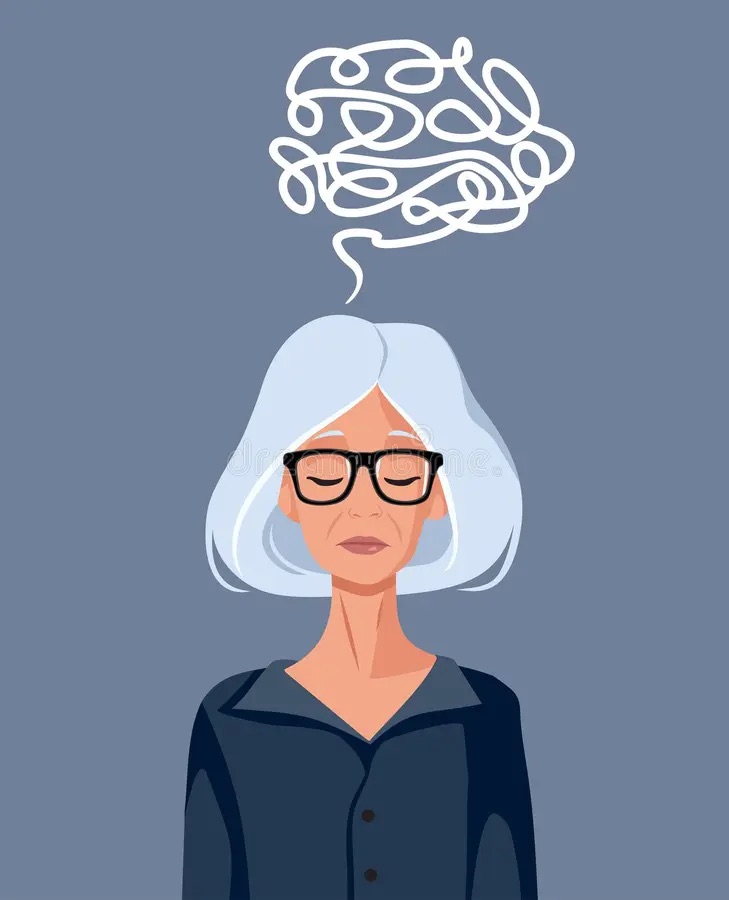
This, for me, is a mild bout of depression. Not a deep darkness, but a gray, foggy space I’m moving through. It’s not that I can’t function—but that I don’t want to push through right now. And that’s okay.
I’ve come to learn that physical pain is easier to name and describe. “I hurt.” Simple. But when your spirit is hurting, it’s harder to explain—and even harder to mask. When my soul is low, it shows up in my eyes, in my energy, in the way I carry myself. No amount of pushing can cover it.
So today, I’m not rushing to fix it. I’m allowing myself to feel it.
I think that’s an important part of healing—owning where you are. Not brushing it off or pretending it doesn’t exist. Just sitting in it for a moment and giving yourself permission to be. I believe we have choices in how we respond to pain, sadness, stress, and disappointment. Sometimes we push through. Sometimes we pause. Sometimes we fall apart a little. And that’s all okay.
I’ve learned that healing doesn’t always look like strength. Sometimes it looks like rest. Sometimes it looks like tears. Sometimes it looks like saying “not today.”
So I ask you:
How do you define depression? How do you deal with it when it comes?
For me, I choose to be honest. To acknowledge it. To hold space for it. And then, when I’m ready, to move forward with grace.

Copied from Google:
Definition:
Depression is a common mental health condition characterized by persistent feelings of sadness, hopelessness, and loss of interest in activities once enjoyed.
Symptoms:
- Persistent low mood or sadness
- Loss of interest or pleasure in activities
- Changes in appetite or weight
- Sleep disturbances (insomnia or excessive sleeping)
- Fatigue or loss of energy
- Difficulty concentrating or making decisions
- Feelings of guilt, worthlessness, or hopelessness
- Thoughts of death or suicide
Causes:
The exact causes of depression are complex and may include a combination of factors, such as:
- Genetics
- Brain chemistry imbalances
- Life events (e.g., trauma, loss, stress)
- Medical conditions (e.g., chronic pain, thyroid disorders)
- Medications (e.g., some antidepressants, corticosteroids)
Diagnosis:
Depression is typically diagnosed based on a thorough medical history, physical exam, and psychological evaluation. The Diagnostic and Statistical Manual of Mental Disorders (DSM-5) provides specific criteria for diagnosing depression.
Treatment:
Treatment for depression may include:
- Psychotherapy:Talk therapy, such as cognitive behavioral therapy (CBT), can help individuals identify and change negative thought patterns and behaviors associated with depression.
- Medications:Antidepressant medications can help regulate brain chemicals and improve mood.
- Lifestyle changes:Exercise, healthy eating, and getting enough sleep can improve overall well-being and reduce symptoms of depression.
Prognosis:
With proper treatment, many people with depression can recover and live fulfilling lives. However, depression can be a chronic condition that may require ongoing management and support.
Additional Information:
- Depression can affect people of all ages, genders, and backgrounds.
- It is important to seek professional help if you or someone you know is experiencing symptoms of depression.
- Early intervention and treatment can significantly improve outcomes.
- There are resources available to support people with depression, such as support groups, hotlines, and online forums.
LadyFlava of LadyFlavaNews
Sharing My Thoughts |Sharing Outloud

 Lady Flava News