

🌿 Monday Health & Wellness
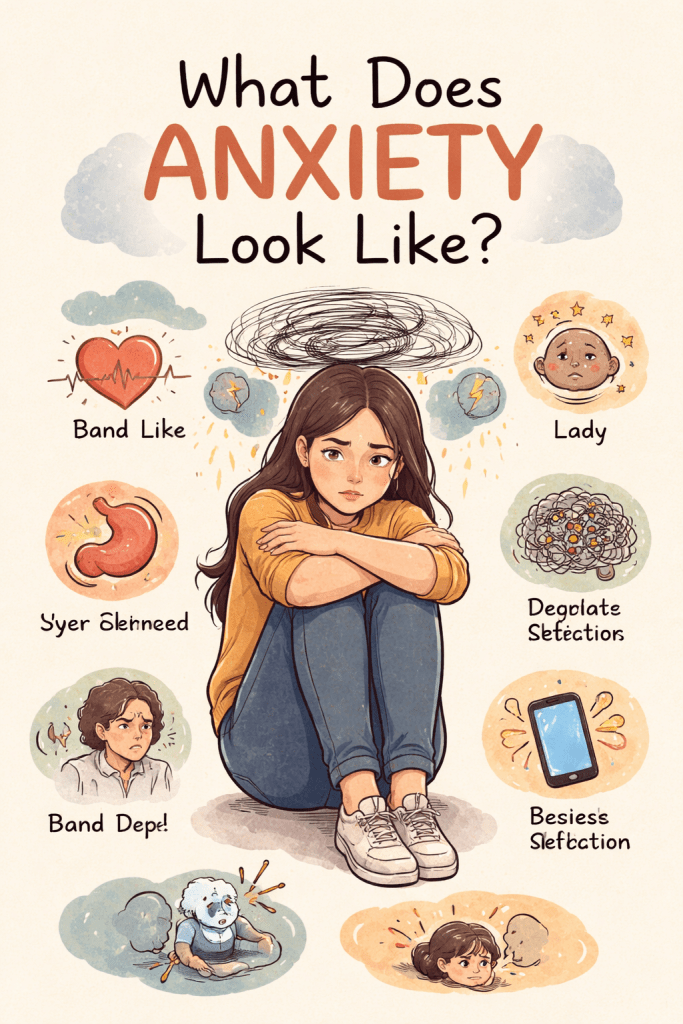
What Does Anxiety Really Look Like?
When people hear the word “anxiety,” they often picture panic.
Shaking.
Crying.
Hyperventilating.
But anxiety isn’t always dramatic.
Sometimes it’s quiet.
Sometimes it’s productive.
Sometimes it looks like strength.
Anxiety is your nervous system preparing for something it perceives as uncertain or threatening — even if there is no immediate danger.
And it shows up in three main ways:
1. Physical Symptoms
Your body often speaks first.
Anxiety can look like:
• Racing heart or palpitations
• Rapid breathing or shortness of breath
• Tight chest
• Sweating
• Trembling or shaky hands
• Dizziness
• Nausea or stomach discomfort
• Muscle tension (jaw clenching, tight shoulders, back pain)
• Headaches
• Trouble falling or staying asleep
Sometimes people think something is medically wrong — and it’s always wise to rule that out — but often it’s the body reacting to stress.
2. Cognitive & Emotional Symptoms
This is where anxiety can become exhausting.
• Constant worrying
• Overthinking conversations
• Catastrophizing (assuming the worst will happen)
• Racing thoughts
• Difficulty concentrating
• Irritability
• Feeling on edge
• A sense of impending doom
• Feeling detached or unreal
Anxiety lives in “what if.”
It pulls you into future scenarios that haven’t happened yet.
3. Behavioral Symptoms
Anxiety also changes how we act.
• Avoiding certain places or situations
• Procrastinating
• Freezing under pressure
• Seeking constant reassurance
• Snapping at loved ones
• Over-preparing
• Overworking
Sometimes anxiety looks like someone who “has it all together.”
High-Functioning Anxiety
This isn’t an official diagnosis, but many people relate to it.
From the outside, they appear calm, organized, successful.
Inside, they are:
• Overthinking constantly
• Holding themselves to impossible standards
• Afraid of disappointing others
• Running on tension
They perform well — but rarely feel at ease.
Types of Anxiety Disorders
When anxiety becomes excessive, uncontrollable, and interferes with daily life, it may fall into specific categories:
• Generalized Anxiety Disorder (GAD) – chronic, excessive worry about everyday life
• Panic Disorder – sudden, intense panic attacks
• Social Anxiety Disorder – fear of judgment or embarrassment
• Specific Phobias – intense fear of certain objects or situations
• Agoraphobia – fear of situations where escape feels difficult
• Separation Anxiety – fear of being apart from attachment figures
• Selective Mutism – difficulty speaking in certain social settings
Related conditions often grouped with anxiety include OCD, PTSD, and performance anxiety.
Important Reminder
If anxiety causes severe chest pain, difficulty breathing, or feels overwhelming, seek medical care.
Physical symptoms should always be taken seriously.
The Gentle Truth
Anxiety doesn’t mean you’re weak.
It doesn’t mean you’re dramatic.
It doesn’t mean you’re incapable.
It means your nervous system is activated.
The goal isn’t to eliminate anxiety completely.
The goal is to understand it.
Notice it.
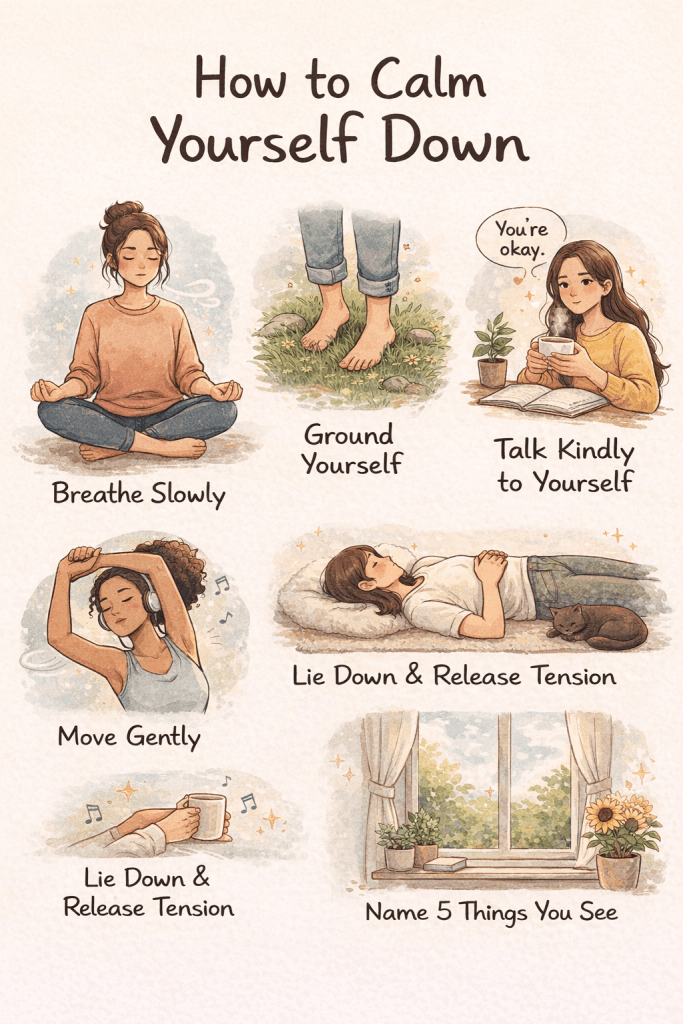
Regulate it.
And seek support when needed.
Sometimes anxiety is loud.
Sometimes it looks like quietly preparing for tomorrow.
And sometimes, once you face what you feared, it softens.
— Lady Flava 🌻
 Lady Flava News