


Sunday Health & Wellness with Lady Flava
I Didn’t Know What It Was Doing… Until I Stopped Taking It
Living with chronic pain teaches you something early on:
relief doesn’t always announce itself.
Sometimes it works quietly in the background. So quietly that you don’t realize how much it’s helping… until it’s gone.
I’m not writing this from a medical standpoint.
I’m writing this as a patient — someone who lives with chronic pain every day.
My primary care physician prescribed duloxetine because of radiculopathy and hip arthritis. Nerve pain that radiates. Pain that doesn’t stay put. Pain that affects how you move, how you sleep, and how long your patience lasts. Along with that pain came anxiety — not just in my thoughts, but in my body. When pain is constant or unpredictable, your nervous system stays on alert.
When I started taking duloxetine, there wasn’t a dramatic moment where everything suddenly changed. No fireworks. No instant relief.
It just… helped.
Quietly.
And because it worked that way, I didn’t fully understand what it was doing for my body.
Then real life stepped in.
My local pharmacy closed.
The new pharmacy wasn’t convenient.
Refills fell through the cracks — not because I didn’t care, but because managing chronic pain already takes effort, and access to care isn’t always simple.
I stopped taking it.
And that’s when my body spoke up.
My shoulders tightened.
My hands started aching more.
Pain crept back into places that had been calmer.
Sleep became harder.
The constant edge returned.
That’s when I realized something important:
I didn’t know how much support I had until it was gone.
For me, duloxetine doesn’t erase pain.
It lowers the volume.
It helps calm my nervous system so pain and anxiety don’t keep feeding off each other. It gives my body room to breathe — room to function without constantly being on high alert.
Now that I know the difference, I don’t disregard it.
Not because I’m dependent.
But because I’m informed.
Living with chronic pain means paying attention. Listening. Learning what helps — even when it helps quietly.
This is just my experience.
But if you live with chronic pain and anxiety too, this is what I’ll say from one patient to another:
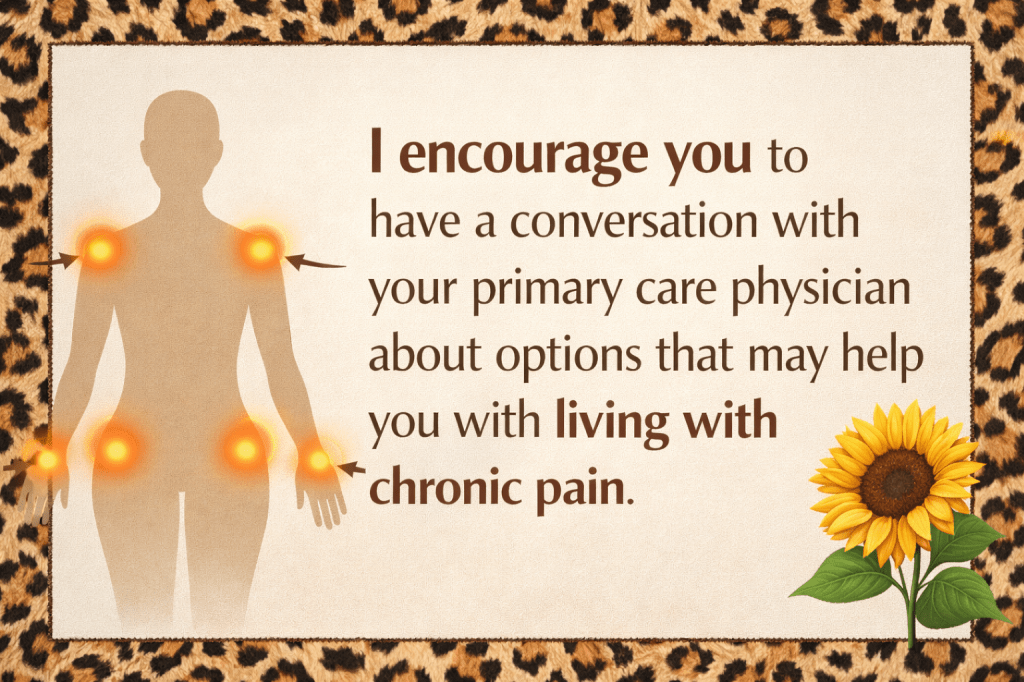
It’s worth having a conversation with your primary care physician about what you’re experiencing and what options for pain relief might support you.
Not every option is right for every body. But your pain is real, your experience matters, and you deserve care that helps you function — not just endure.
Sometimes relief isn’t loud.
Sometimes it’s subtle.
And sometimes you only recognize it once it’s missing.
 Lady Flava News