Saturday Health & Wellness
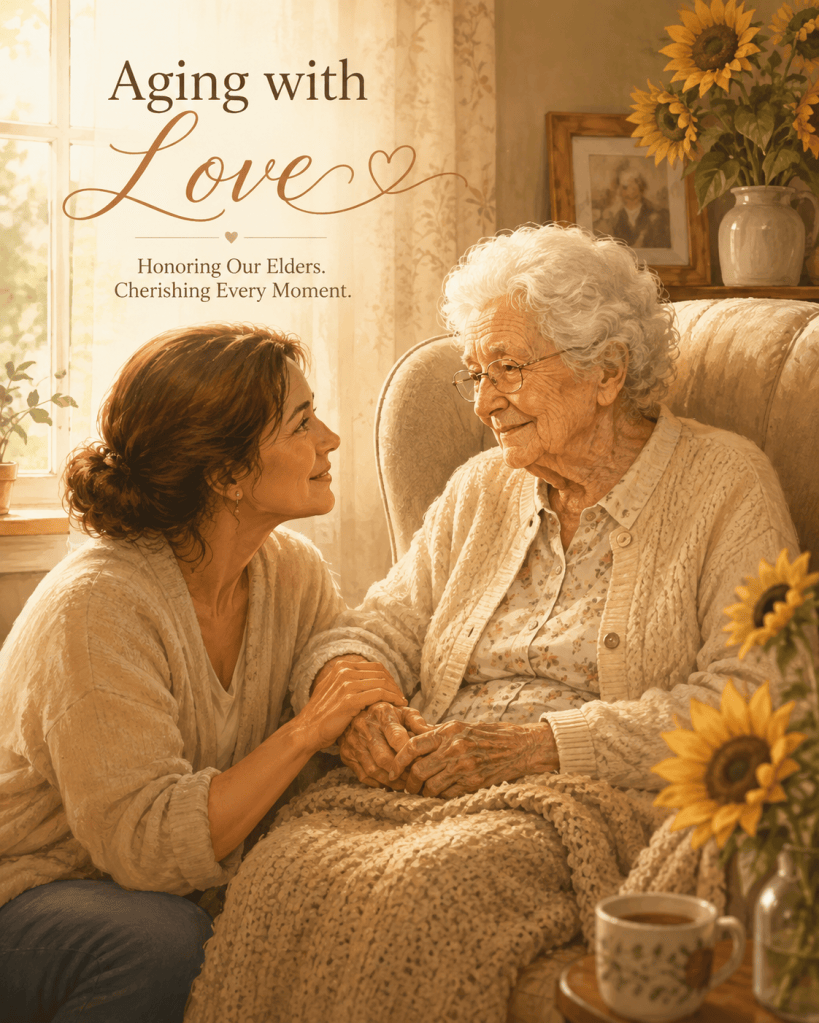
Loving Our Elders Through the Aging Process
What I Have Learned From Nine Years Working in the Medical Field
I had a conversation with a family member of an elderly patient this week that stayed with me.
The patient is in his 90s and experiencing pain.
And while I completely understand how difficult it is to watch someone you love hurt, I found myself thinking about something I have thought about many times:
Do families really understand what can happen to the human body as we reach our 80s and 90s?
I don’t think enough of us do.
I have worked in the medical field for nine years.
Six of those years were spent working at a rehabilitation hospital, where I learned from doctors, nurses, physical therapists, occupational therapists, patients, and families.
I watched people heal after major medical events.
I watched older bodies work incredibly hard to regain strength and function.
I saw what recovery can look like when the body is older, weaker, injured, or simply trying to find its way back after illness or surgery.
Outside of the rehabilitation hospital, I also provided eldercare in Las Vegas.
I provided hospice care for one client in a facility.
I provided hospice care for another client in their home.
I also provided dementia care.
And then there is my personal experience.
My mother was in a hospice facility. I went every day and often slept in her room.
My daddy received hospice care at home. I slept next to him.
Long before any of that, I was also raised around elders and aging within my own family and community.
So when I talk about aging, pain, healing, dementia, caregiving, decline, and end of life, I am speaking from several different places.
I have seen it in rehabilitation.
I have provided care for clients.
I have supported clients through hospice.
I have cared for people with dementia.
And I have lived hospice personally with my own parents.
That is why when I hear families desperately searching for one answer to an elderly person’s pain, I often think:
There may be so much more going on than one diagnosis.
The Aging Body Has A History
By the time someone reaches their 80s or 90s, that body has lived a very long life.
Think about it.
Decades of walking.
Working.
Lifting.
Falling.
Recovering from illness.
Possibly having surgeries.
Living with arthritis.
Losing muscle strength.
Experiencing changes in the spine, joints, nerves, balance, circulation, and mobility.
Maybe there were injuries 40 years ago that nobody even thinks about anymore.
Maybe one painful joint caused that person to walk differently for years, putting strain somewhere else.
Maybe they have several conditions happening at the same time.
That doesn’t mean we should dismiss an elder’s pain by saying:
“They’re just old.”
Absolutely not.
Pain should be taken seriously.
But I also believe families need realistic information about what can happen as a body ages.
We Need To Stop Looking For One Magic Fix
This is where I think families can become frustrated.
They want someone to identify the thing causing the pain.
Then fix the thing.
But sometimes there isn’t only one thing.
An elderly person may have arthritis in several areas, weakness from inactivity, spinal changes, old injuries, nerve pain, balance problems, decreased endurance, and other medical conditions all contributing to how they feel.
One injection may help one source of pain.
Physical therapy may improve strength or mobility.
Medication may help another symptom.
A walker may provide stability.
Changing how someone sits, sleeps, or moves may make them more comfortable.
Sometimes improvement comes from several smaller things working together.
And sometimes, especially at an advanced age, the realistic goal may not be:
“How do we make this person completely pain-free?”
The better question may become:
“How can we help them live more comfortably, safely, and with as much dignity and independence as possible?”
That is not giving up.
That is understanding the person in front of us.
Families Need Education Before The Crisis
I truly believe families of aging adults could benefit from an actual class about aging.
Not when Mom is already 94 and everyone is panicking.
Before that.
Teach us:
What changes may happen as our loved ones age?
Why are those changes happening?
What symptoms need medical attention?
What treatment options may be available?
What can rehabilitation accomplish?
What can medications, injections, therapy, mobility devices, or home modifications realistically help with?
When should we consider home health, additional caregiving, palliative care, or hospice?
How do we help without taking away independence?
How do we communicate with doctors?
How do we prepare ourselves emotionally?
And perhaps most importantly:
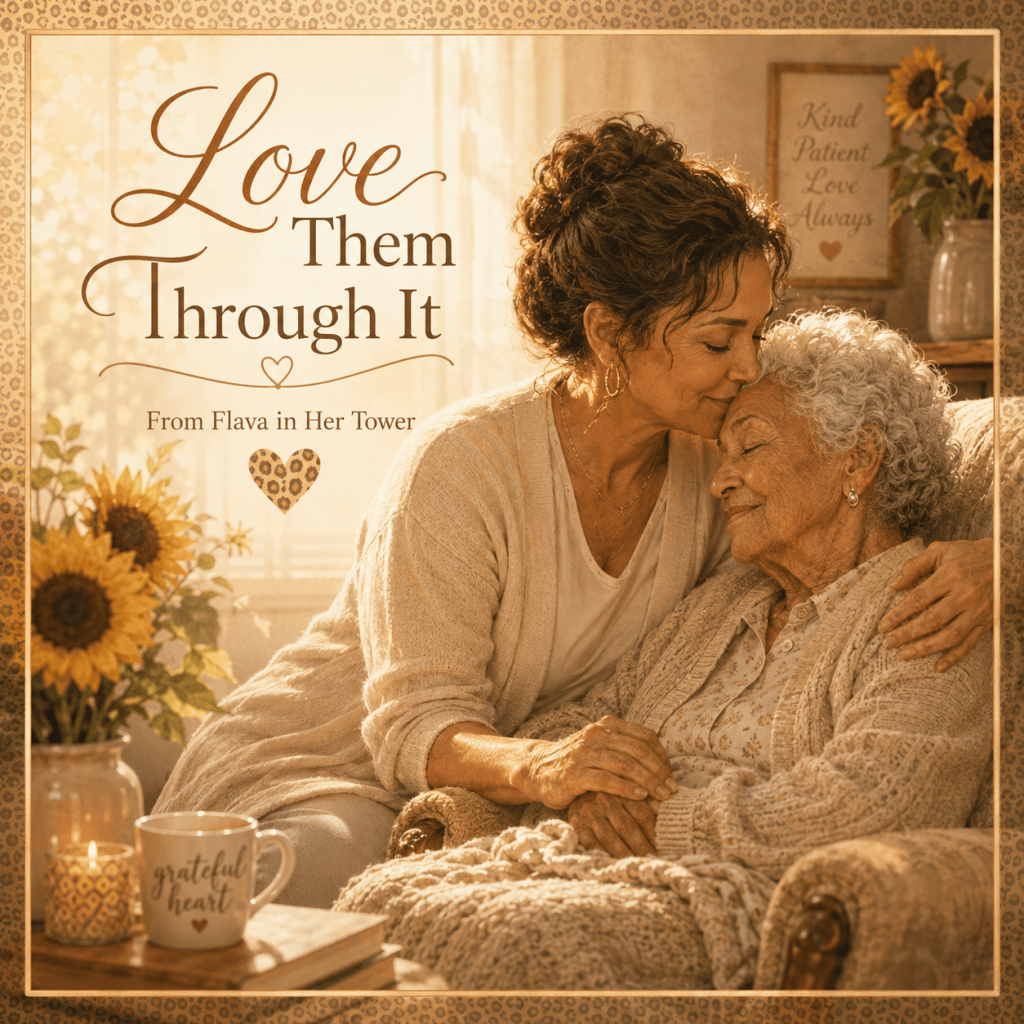
How Do We Love Them Through It?
Because somewhere in the middle of all the appointments, imaging, medications, insurance authorizations, procedures, and phone calls is still a person.
Someone’s mother.
Someone’s father.
Someone’s grandmother.
Someone’s grandfather.
They may be scared too.
They may be frustrated with their own body.
They may hate needing help.
They may be grieving the independence they once had.
They may already know their body is changing even when the family isn’t ready to accept it.
Sometimes loving them means fighting for appropriate medical care.
Sometimes it means asking more questions.
Sometimes it means encouraging movement.
Sometimes it means allowing them to rest.
Sometimes it means modifying the house.
Sometimes it means accepting outside help.
Sometimes it means understanding that dementia or Alzheimer’s disease has changed how they experience the world.
Sometimes it means sitting in a hospice room.
Sometimes it means sleeping beside them at home.
And sometimes it simply means letting them know:
“I’m here.”
Aging Is Not A Failure
Getting older isn’t something our elders are doing wrong.
Their bodies are changing because they have been living in them for eight, nine, sometimes ten decades.
There is tremendous beauty in that.
There is also reality.
I believe we can hold both.
We can continue seeking answers.
We can advocate for treatment.
We can help them remain as strong and independent as possible.
And at the same time, we can recognize that an aging body may need more patience, more assistance, more recovery time, and sometimes a different definition of what “better” looks like.
After nine years of working in healthcare, providing eldercare and hospice care, caring for people with dementia, and living hospice personally with both of my parents, this is something I wish more families understood.
Don’t wait until the crisis.
Learn about aging while your loved one can still be part of the conversation.
Ask them what they want.
Listen to their doctors.
Learn what their body may be going through.
Prepare yourself.
And when the harder years arrive…
Love them through it.
This piece reflects my personal experiences and observations from working in healthcare, providing eldercare and hospice care, and caring for my own family. It is not medical advice.
From Flava in Her Tower 🌻
Lady Flava Wellness 🌻