

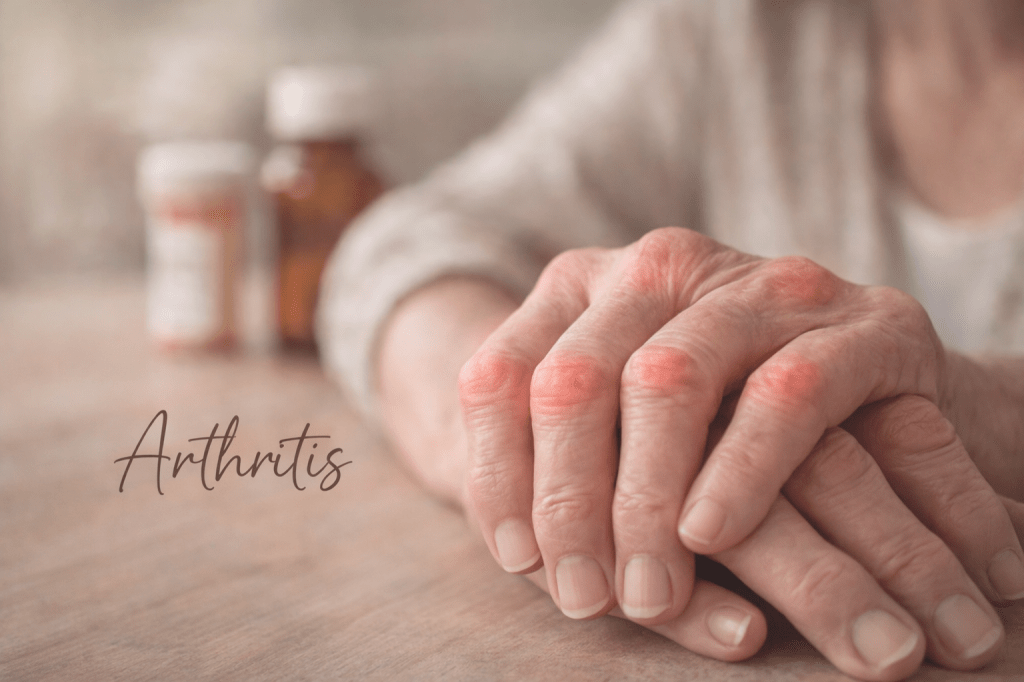
Health & Wellness with Flava: Living With Arthritis
I live every day with arthritic pain.
This isn’t something I read about — it’s something I wake up with, move through, and manage daily.
Arthritis runs deep in my family.
On my German side, my grandmother lived with rheumatoid arthritis, and I have a brother who also has rheumatoid arthritis.
On my Japanese side, my grandmother had osteoarthritis, as did both of my parents. My other brother and I both live with osteoarthritis as well.
This year, I’ve noticed a shift.
What once lived mostly in my hips is now showing up in my hands and shoulders. Simple things — gripping, lifting, reaching — require more awareness, more pacing, more patience. Some days are manageable. Other days, my body reminds me that this is a lifelong companion, not a passing visitor.
What Arthritis Really Is
Arthritis isn’t just “getting older” or “aches and pains.”
It’s a broad term for joint disease and joint inflammation, affecting over 100 different conditions. The most common types are osteoarthritis and rheumatoid arthritis — and they behave very differently.
Osteoarthritis (OA) is often called “wear and tear” arthritis. Over time, the cartilage that cushions joints breaks down, causing pain, stiffness, and sometimes bone-on-bone friction. It commonly affects the hands, hips, knees, and spine.
Rheumatoid Arthritis (RA) is an autoimmune condition. The immune system mistakenly attacks the lining of the joints, leading to inflammation, pain, and potential joint damage if not managed.
Early Signs to Pay Attention To
Arthritis doesn’t always arrive loudly. Often, it whispers first.
• Persistent joint pain or tenderness
• Stiffness — especially in the morning or after resting
• Swelling, warmth, or redness in joints
• Reduced range of motion
• Fatigue, numbness, or tingling
These symptoms can slowly interfere with daily life — opening jars, climbing stairs, sleeping comfortably, or doing repetitive tasks.
Causes & Risk Factors
There isn’t one single cause.
• Osteoarthritis: Aging, repetitive motion, joint injury, genetics, and weight
• Rheumatoid Arthritis: Autoimmune response and genetic factors
• Gout: Uric acid buildup, diet, and genetics
• General risks: Other autoimmune conditions and infections
Family history matters — and in my case, it’s written on both sides of my lineage.
• Strengthening muscles to support joints
Managing Life With Arthritis
There is no cure — but there is management, and it looks different for everyone.
Medical support may include:
• Pain relievers or anti-inflammatory medications
• Corticosteroids or DMARDs (for RA)
• Injections or, in severe cases, joint replacement surgery
Lifestyle support matters just as much:
• Gentle, consistent movement (walking, stretching, water exercise)
• Joint protection and pacing activities
• Rest — without guilt
• Maintaining a healthy weight
• Occupational or physical therapy
• Assistive tools when needed
Living with arthritis requires learning your body’s language — knowing when to push gently and when to pause without apology.
My Truth
Some days, I move slower.
Some days, I adjust plans.
Some days, I rest more than I’d like.
But I also stay informed, stay intentional, and stay compassionate with myself.
Arthritis has taught me that strength doesn’t always look like endurance — sometimes it looks like adaptation.
And that, too, is wellness.

 Lady Flava News